Kenmore 80 Series Washing Machine Manual: A Comprehensive Guide
Welcome! This detailed manual expertly guides you through installation, operation, and upkeep of your Kenmore 80 Series washer, ensuring optimal performance and longevity․
Congratulations on selecting a Kenmore 80 Series washing machine! This appliance represents a commitment to quality and dependable performance, designed to simplify your laundry routine․ The 80 Series boasts innovative features aimed at delivering exceptional cleaning results while prioritizing energy and water efficiency․
This manual serves as your primary resource for understanding and maximizing the capabilities of your new washing machine․ Within these pages, you’ll find detailed instructions covering everything from initial setup and everyday operation to essential maintenance procedures and troubleshooting tips․ We’ve structured this guide to be user-friendly, ensuring a smooth and satisfying ownership experience․
Kenmore is a trusted brand, and we are confident that your 80 Series washer will provide years of reliable service․ Please take the time to thoroughly read this manual before operating the appliance to ensure safe and effective use․ Thank you for choosing Kenmore!
Model Number Identification & Variations
Locating your model number is crucial for accessing specific support and replacement parts․ The model number is typically found on a sticker located inside the washer’s lid, on the back panel, or near the door opening․ It’s a combination of letters and numbers – for example, 110․22882200․ Record this number for future reference․
The Kenmore 80 Series encompasses several variations, each offering slightly different features and capacities․ These variations may include differences in wash cycle options, spin speeds, and overall drum size․ Common suffixes to the base model number indicate these distinctions․ Understanding these variations ensures you’re utilizing the correct settings and resources for your specific machine․
Refer to the complete model number when contacting customer support or ordering parts․ This prevents delays and ensures compatibility․ A detailed list of variations and their corresponding features can be found on the Kenmore website using your specific model number․
Safety Precautions & Warnings
Prioritize safety! Before operating your Kenmore 80 Series washer, carefully review these crucial precautions․ Always disconnect the power supply before performing any maintenance or repairs․ Never attempt to repair the machine yourself if you are not qualified – contact a certified technician․
Keep children and pets away from the washing machine during operation․ The drum can reach high temperatures, posing a burn risk․ Do not overload the washer, as this can cause damage and instability․ Only use detergents specifically designed for washing machines, following the manufacturer’s instructions․
Inspect the water supply hoses regularly for cracks or leaks․ Never use extension cords with the washing machine․ Ensure proper grounding to prevent electrical shock․ Warning: Failure to follow these safety guidelines could result in injury or damage to the appliance․
Installation & Setup
Begin installation! Carefully unpack your Kenmore 80 Series washer, ensuring a level surface and proper connections for water and electrical supplies for optimal use․
Unpacking and Initial Inspection
Carefully unpack your new Kenmore 80 Series washing machine, taking note of all included components and packaging materials․ Begin by removing the outer carton and protective wrappings, being cautious not to damage the appliance during this process․
Inspect thoroughly for any visible signs of shipping damage, such as dents, scratches, or broken parts․ Document any damage immediately with photographs and contact the retailer or Kenmore customer support․
Verify contents against the included parts list, ensuring you have all necessary hoses, connectors, and documentation․ Remove all shipping bolts and packing materials from the drum and cabinet – failure to do so will cause damage during operation! Retain the original packaging for potential future transport or warranty claims․ Finally, confirm the model number matches your purchase order․
Water Supply Connection
Connect the water supply hoses to both the hot and cold water faucets, ensuring a secure and leak-proof connection․ Use new hoses; do not reuse old ones․ Hand-tighten initially, then use pliers to tighten an additional half-turn, avoiding over-tightening which can damage the fittings․
Verify water pressure is within the recommended range (typically 20-120 psi)․ Low water pressure may affect wash performance, while excessive pressure can cause leaks․ Consider installing a water hammer arrestor to protect your plumbing․
Check for leaks immediately after connecting the hoses and turning on the water supply․ Inspect the connections at both the faucet and the washing machine․ If leaks are present, tighten the connections further or replace the hoses․ Never operate the machine with leaking connections!
Electrical Requirements & Grounding
Ensure your household electrical system meets the Kenmore 80 Series washer’s requirements – typically a dedicated 120-volt, 60Hz circuit with a 15-amp breaker․ Do not use extension cords or adapters; they pose a safety hazard․
Proper grounding is crucial for safety․ The washing machine must be grounded to prevent electric shock in case of a malfunction․ The power cord includes a grounding wire; do not remove or alter it․
Verify the outlet is properly grounded before plugging in the machine․ If you are unsure, consult a qualified electrician․ Never bypass the grounding system․ A three-prong plug must be inserted directly into a matching three-slot receptacle․ Improper grounding voids the warranty and increases risk․
Operating Instructions
Mastering your Kenmore 80 Series is easy! This section details control panel functions, cycle selections, loading procedures, and proper detergent dispenser utilization for optimal results․
Control Panel Overview & Functions
The Kenmore 80 Series washing machine features an intuitive control panel designed for ease of use․ The Power button initiates and terminates all wash cycles․ The Cycle Selector dial allows you to choose from a variety of pre-programmed washes – including Normal, Delicates, Heavy Duty, Quick Wash, and Bulky Items – each optimized for specific fabric types and soil levels․
Temperature settings (Hot, Warm, Cold) are adjustable to suit your laundry needs, protecting colors and preventing shrinkage․ Spin speed options (High, Medium, Low, No Spin) provide control over water extraction, minimizing wrinkles or maximizing drying efficiency․ Modifier buttons, such as ‘Extra Rinse’ and ‘Pre-Soak’, enhance cleaning performance․
Delay Start allows you to schedule washes for convenient times․ The digital display clearly indicates the selected cycle, remaining time, and any error codes․ Familiarizing yourself with these functions will unlock the full potential of your Kenmore 80 Series washer, ensuring consistently clean and well-cared-for laundry․
Wash Cycle Selection Guide
Choosing the correct wash cycle is crucial for optimal cleaning and fabric care․ Normal/Regular is ideal for everyday cottons and linens with moderate soil; Delicates/Hand Wash gently cleans lingerie, silk, and other fragile items․ Permanent Press minimizes wrinkles in synthetic fabrics like polyester and rayon․
Heavy Duty tackles heavily soiled work clothes, towels, and durable fabrics․ Quick Wash provides a fast, 30-minute cycle for lightly soiled items; Bulky Items/Bedding accommodates large loads like comforters and blankets․ Whites utilizes hotter water temperatures for brighter results․
Sanitize offers a high-temperature wash to eliminate bacteria․ Always consult garment care labels before selecting a cycle; Utilizing the appropriate cycle extends the life of your clothes and ensures consistently excellent cleaning performance with your Kenmore 80 Series washing machine․
Loading & Unloading Laundry
Proper loading maximizes cleaning efficiency and prevents damage to your machine․ Distribute items loosely within the wash basket, avoiding tightly packed clumps․ Do not overload; leave sufficient space for clothes to move freely․ For best results, alternate large and small items․
Before starting a cycle, check pockets for objects like coins, keys, or pens․ These can damage the washer or your clothes․ When unloading, remove items promptly to prevent mildew․ Always unplug the washer before performing any maintenance or cleaning․
Be mindful of heavy items; lift with care․ Regularly inspect the wash basket for any forgotten small items․ Following these simple guidelines ensures safe and effective laundry handling with your Kenmore 80 Series washing machine, prolonging its lifespan and maintaining optimal performance․
Detergent & Additive Dispenser Usage
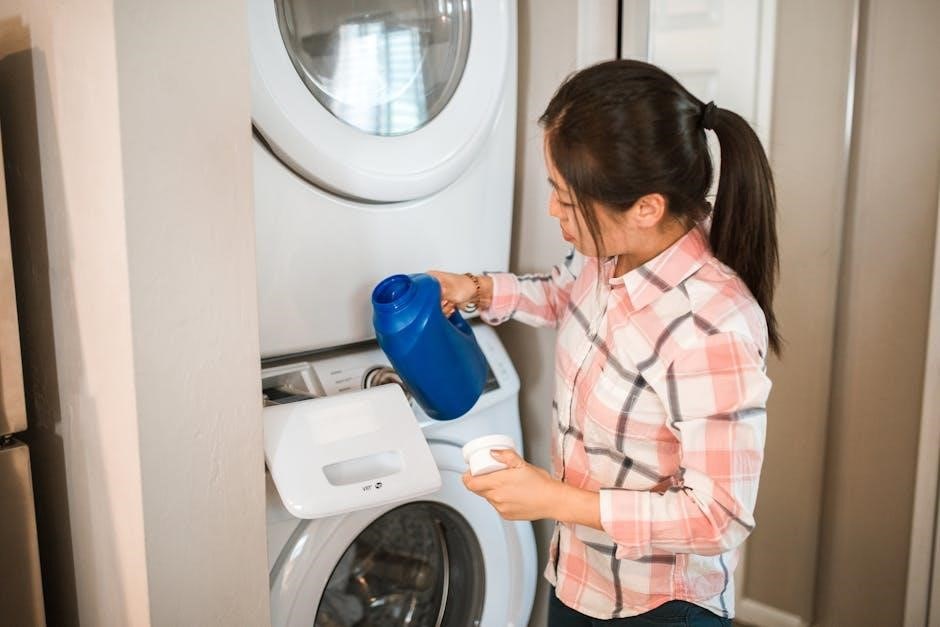
Correct detergent usage is crucial for optimal cleaning and preventing residue buildup․ Your Kenmore 80 Series washer features a designated dispenser for detergent, fabric softener, and bleach․ Always use HE (High Efficiency) detergent, as standard detergents create excessive suds․
Fill the detergent compartment according to the detergent manufacturer’s instructions and the load size․ Do not overfill․ Fabric softener and bleach should be added to their respective compartments, avoiding direct contact with clothing․ Never pour detergent directly into the wash basket․
Regularly clean the dispenser drawers to prevent clogs and ensure proper dispensing․ Refer to the ‘Cleaning the Washing Machine’ section for detailed instructions․ Proper use of the dispenser system maximizes cleaning power and protects your machine․

Maintenance & Troubleshooting
Regular upkeep extends your Kenmore 80 Series washer’s life! This section details cleaning, filter maintenance, error code resolution, and addressing noisy operation issues․
Cleaning the Washing Machine
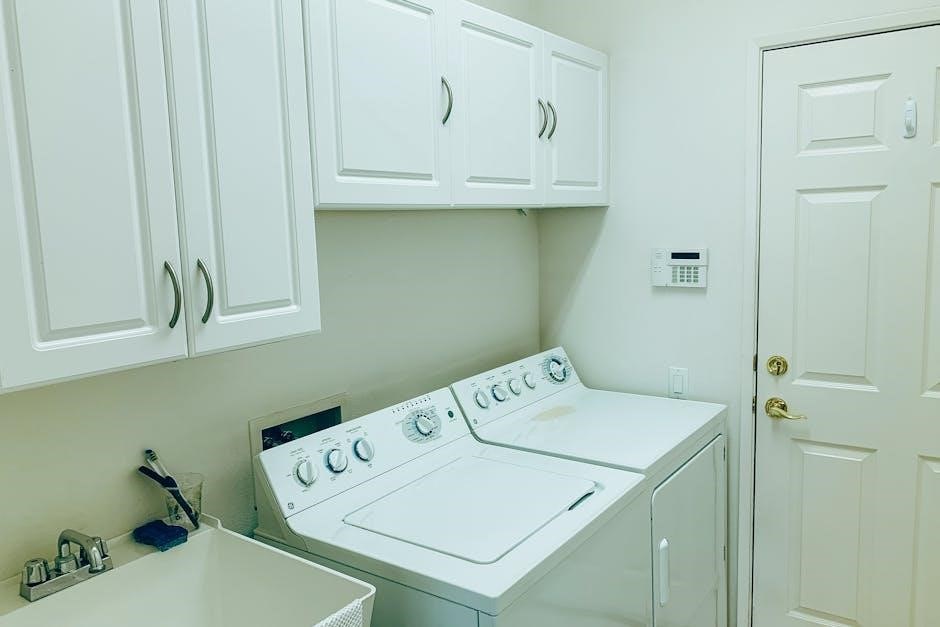
Maintaining cleanliness is crucial for optimal performance and preventing odors․ Regularly wipe down the exterior surfaces with a damp cloth and mild detergent․ For the drum, run an empty hot water cycle with a washing machine cleaner (affiliate link) monthly, or more frequently with heavy use․
Pay close attention to the dispenser drawers; remove them and rinse thoroughly to eliminate detergent and fabric softener buildup․ A small brush can be helpful for reaching tight spaces․ Inspect the rubber door seal for mold or mildew, cleaning it with a diluted bleach solution (always test in an inconspicuous area first!)․
Don’t forget the exterior! Dust and grime can accumulate around controls and vents․ Avoid abrasive cleaners, as they can damage the finish․ A simple wipe-down after each use will significantly reduce the need for deep cleaning․ Proper cleaning ensures your Kenmore 80 Series washer remains hygienic and efficient․
Filter Cleaning Procedures
Regular filter cleaning prevents drain blockages and ensures efficient water removal․ Locate the access panel, typically at the lower front of the machine․ Before opening, place towels to absorb any residual water․ Carefully unscrew the filter cap – have a shallow container ready!
Remove any debris, such as lint, coins, or small objects, from the filter housing․ Rinse the filter thoroughly under running water, removing all obstructions․ Inspect the filter for damage and replace if necessary․
Reinstall the filter securely, ensuring a tight seal to prevent leaks․ Close the access panel․ Cleaning frequency depends on usage; check monthly or if you notice slow draining․ A clean filter contributes to the longevity and optimal performance of your Kenmore 80 Series washing machine․
Common Error Codes & Solutions
Error codes indicate specific issues with your Kenmore 80 Series washer․ Code “F01” signals a water inlet issue – check the water supply hoses and valves․ “F02” indicates a drain error; inspect the drain hose for kinks or blockages and clean the filter․
Code “LE” signifies an unbalanced load; redistribute the laundry or reduce the load size․ “OE” indicates an overflow condition – turn off the water supply and drain the machine․ “Sud” suggests excessive suds; use HE detergent and reduce the amount․
If an error persists after attempting these solutions, disconnect the power and consult a qualified technician․ Refer to the full error code list in the appendix for a comprehensive guide․ Ignoring error codes can lead to further damage, so prompt attention is crucial for maintaining your washer’s functionality․
Troubleshooting Noisy Operation
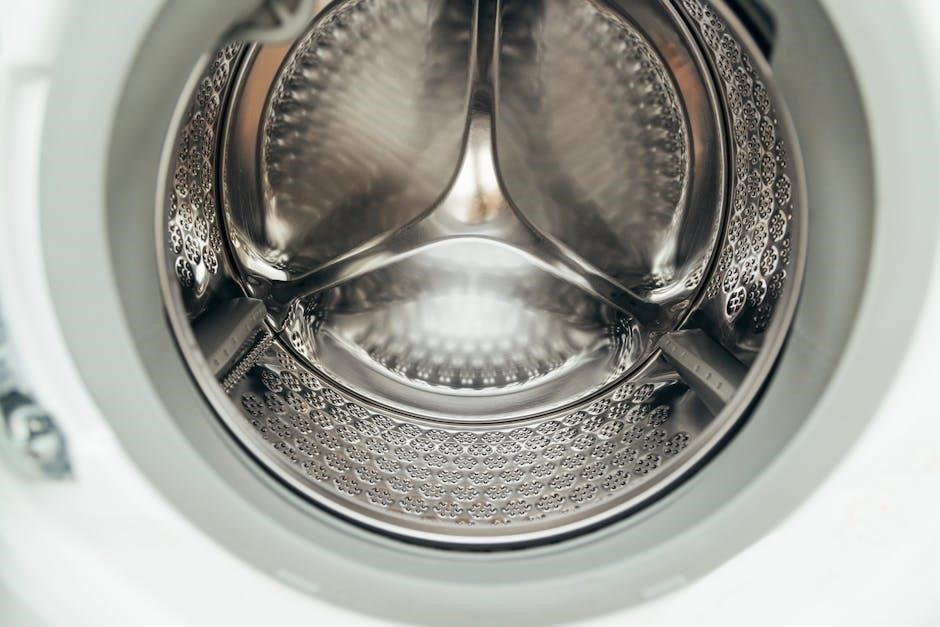
Excessive noise during operation can stem from several sources․ First, ensure the washer is level – adjust the feet as needed to eliminate rocking․ Check for foreign objects (coins, buttons) trapped between the drum and tub․ A clunking sound often indicates these items․
Whining noises may suggest worn bearings; this requires professional repair․ Rattling sounds during spin cycles could be due to an unbalanced load – redistribute the clothes․ Verify the drain pump is clear of obstructions, as this can cause a grinding noise․
If the noise persists after these checks, disconnect power and contact a qualified technician․ Ignoring unusual sounds can lead to more significant and costly repairs․ Regular maintenance helps prevent many noise-related issues․
Repair Resources & Parts Availability (as of 04/15/2026)
Genuine Kenmore 80 Series parts are currently available through Sears PartsDirect ([https://www․searspartsdirect․com](https://www․searspartsdirect․com)) and select authorized appliance repair centers․ Commonly replaced parts include the water inlet valve, drain pump, belt, and motor coupling․ Availability is generally good for frequently used components․
For DIY repairs, online resources like AppliancePartsPros ([https://www․appliancepartspros․com](https://www․appliancepartspros․com)) offer detailed repair guides and videos․ Professional repair services can be found through Sears Home Services or local appliance repair companies․ Estimated repair costs vary depending on the part and labor, ranging from $75 to $300․
Please note that some older models may have limited parts availability as of today, April 15, 2026․ Always verify part compatibility before ordering․

Warranty Information
Your Kenmore 80 Series Washing Machine is protected by a limited warranty․ A one-year limited warranty covers defects in materials and workmanship from the date of purchase․ This warranty includes parts and labor to repair or replace defective components․ Ten-year limited warranty applies to the wash basket and stainless steel inner tub, covering any cracking, rusting, or other structural failures․
Warranty service is provided by Sears Home Services․ To initiate a claim, please visit [https://www․searshomeservices․com](https://www․searshomeservices․com) or call 1-800-444-3963․ Proof of purchase is required for all warranty claims․ This warranty does not cover damage caused by misuse, abuse, improper installation, or acts of God․
Modifications or alterations to the appliance will void the warranty․ Please retain this manual and your purchase receipt for future reference․