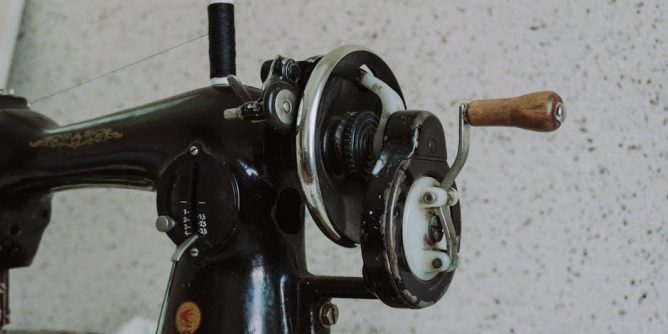
Singer Simple Manual: A Comprehensive Guide
This guide comprehensively covers Singer Simple machines, offering detailed instructions, troubleshooting, and model specifics like the 306, 320K2, and 4522 series.
Singer Simple machines represent a legacy of reliable, user-friendly sewing. This introduction guides beginners and experienced sewers alike through the core functionalities. Understanding your machine, from threading to stitch selection, unlocks creative potential. Resources like PDF manuals for models 306, 320K2, and the 4522/6011 series are readily available online. Familiarizing yourself with these resources ensures a smooth and enjoyable sewing experience, maximizing the machine’s capabilities.
Understanding Your Machine’s Components
Singer Simple machines, including models like the 99K and Brilliance 6160, feature essential components. These include the needle, presser foot, bobbin system, and thread tension controls. Recognizing each part’s function – detailed in available manuals – is crucial. The HA-1 15 class needle is common. Proper component understanding facilitates efficient operation, maintenance, and troubleshooting, ensuring longevity and optimal performance for various sewing projects.
Identifying Key Parts
Key parts of your Singer Simple machine include the power switch, handwheel, stitch length dial, stitch width dial, reverse lever, and bobbin winder. The needle plate, presser foot, and thread guides are also vital. Familiarize yourself with these, referencing your model’s manual (like those for the 306 or 4522 series) to pinpoint their exact locations and functions for seamless operation.
The Bobbin System Explained

The bobbin system, crucial for stitch formation, houses the lower thread. It involves winding thread onto the bobbin, inserting it into the bobbin case, and ensuring proper tension. Models like the 320K2 and 4522 series utilize similar systems. Correct bobbin insertion and tension are vital to prevent thread bunching, as detailed in your Singer Simple manual, ensuring smooth sewing.
Setting Up Your Singer Simple Machine
Proper setup is key for optimal performance. Begin by ensuring the power is off. Next, wind the bobbin correctly, following your Singer Simple manual’s instructions. Then, carefully thread the upper thread, guiding it through all tension discs and the needle. Refer to the manual for specific threading paths for models like the 306 or 4522, guaranteeing correct operation.

Winding the Bobbin
Begin by placing the thread spool on the spool pin. Guide the thread through the thread guides, ensuring it engages the bobbin winder tension disc. Position the bobbin onto the bobbin winder spindle and push it to the right. Engage the bobbin winder by pushing the bobbin winder stem. Start the machine slowly, allowing even winding.
Threading the Upper Thread

Raise the presser foot and the needle to its highest position. Place the spool of thread on the spool pin. Guide the thread through the first thread guide, then down and around the tension discs. Continue threading through the take-up lever and then down to the needle. Finally, thread the needle from front to back.
Basic Sewing Techniques
Mastering fundamental techniques is crucial for any beginner. Begin with straight stitching, practicing consistent speed and guiding the fabric gently. Explore zigzag stitching for finishing raw edges and creating decorative elements. Understanding stitch length and width adjustments allows for versatility across various fabrics and project requirements.
Straight Stitching: A Beginner’s Guide
Begin by threading your Singer Simple correctly and selecting a suitable needle for your fabric. Practice guiding the fabric smoothly under the presser foot, maintaining a consistent speed. Use the handwheel for precise control, especially around curves. Consistent seam allowance is key; utilize markings on the needle plate as guides.
Zigzag Stitching: Applications and Settings
Zigzag stitching offers versatility beyond straight seams! Adjust stitch width for varied effects – narrow for reinforcing, wider for decorative edges. Utilize it to finish raw edges, preventing fraying, or for stretch fabrics requiring give. Experiment with different stitch lengths; shorter for delicate fabrics, longer for heavier materials.
Advanced Stitching Options
Explore beyond basic stitches! Your Singer Simple machine unlocks buttonhole and decorative possibilities. Master step-by-step buttonhole creation for professional finishes. Unleash creativity with diverse decorative stitches, adding unique flair to projects. Refer to your manual for specific stitch settings and foot recommendations. Experiment to discover personalized embellishments and elevate your sewing!
Buttonhole Stitching: Step-by-Step Instructions
Begin by attaching the buttonhole foot. Select the buttonhole stitch on your Singer Simple. Consult your manual for the correct settings based on button size. Position the fabric and lower the presser foot. Carefully stitch, following the marked guide on the machine. Stop at each designated point, pivoting as instructed. Trim excess fabric for a clean finish.
Decorative Stitching: Exploring Creative Possibilities
Unleash your creativity with the Singer Simple’s decorative stitches! Select a desired pattern and adjust the stitch width for varied effects. Use different threads – metallic, variegated – to enhance designs. Practice on scrap fabric first to master tension and stitch appearance. Decorative stitches embellish garments, home décor, and quilting projects beautifully.
Needle and Thread Selection
Choosing the right needle and thread is crucial for successful sewing. Match the needle type (universal, ballpoint, etc.) to your fabric weight. Lighter fabrics need finer needles; heavier fabrics require stronger ones. Thread weight should complement the fabric and needle size. Always test combinations on scraps to ensure smooth stitching and prevent puckering or breakage.
Choosing the Right Needle for Your Fabric
Selecting the correct needle prevents fabric damage and ensures optimal stitch quality. Universal needles suit woven fabrics, while ballpoint needles are ideal for knits, preventing runs. Denim needles tackle heavy materials. Consider needle size: smaller for lightweight fabrics, larger for thicker ones. Always replace dull or damaged needles for consistent results.
Thread Types and Their Uses
Different threads suit various projects. Polyester thread is strong and versatile, excellent for general sewing. Cotton thread is ideal for cotton fabrics, offering a natural look. Nylon thread provides stretch for knits and swimwear. Silk thread is luxurious for delicate fabrics. Matching thread color to fabric is crucial for invisible seams, enhancing project aesthetics.
Maintaining Your Singer Simple Machine
Regular maintenance ensures longevity. Cleaning removes lint and debris from the bobbin area and feed dogs. Oiling key components, like the motor and moving parts, keeps everything running smoothly. Addressing issues promptly prevents larger problems. A well-maintained machine delivers consistent, reliable performance for years of sewing enjoyment.
Cleaning and Oiling
Regular cleaning involves removing lint with a brush, especially around the bobbin case and feed dogs. Use a screwdriver to access hard-to-reach areas. Oiling should be done sparingly with sewing machine oil, targeting motor parts and moving mechanisms. Avoid over-oiling, which attracts dust. This ensures smooth operation and prevents wear.
Troubleshooting Common Issues
If the machine won’t turn on, check the power cord and ensure it’s securely plugged in. Thread bunching often indicates improper threading or incorrect tension settings. Re-thread the machine carefully, consulting the manual. Address needle and bobbin issues promptly. Regular maintenance prevents many problems, extending your machine’s lifespan.
Safety Precautions
Always switch off the sewing machine before making adjustments near the needle. Keep fingers clear of all moving parts, especially the needle area, to prevent injury. Read all instructions thoroughly before operation. Basic electrical safety practices must be followed. Proper needle selection is crucial for safe and effective sewing.
General Safety Guidelines
Prioritize safety by reading all instructions before using your Singer Simple machine. Always disconnect the power when changing the needle, threading, or performing maintenance. Keep the machine in good working order. Never force the fabric. Supervise children closely. Ensure adequate lighting. Avoid loose clothing near moving parts for safe operation.
Needle Area Safety
Exercise extreme caution around the needle. Keep fingers away from all moving parts during operation. Always switch off the machine before threading, changing the needle, or adjusting anything near the needle area. Never pull fabric while sewing. Use the correct needle for your fabric type to prevent breakage and injury.
Understanding Stitch Length and Width
Stitch length controls how much fabric is advanced with each stitch; shorter lengths for delicate fabrics, longer for heavier materials. Stitch width adjusts the zigzag or decorative stitch breadth. Experiment with settings! Wider widths create bolder patterns, while narrower widths offer subtle effects. Mastering these adjustments unlocks creative sewing potential.
Adjusting Stitch Length for Different Fabrics
Shorter stitch lengths (around 2.0-2.5mm) are ideal for lightweight or delicate fabrics like chiffon, preventing puckering. Medium lengths (2.5-3.0mm) suit general-purpose sewing on cotton or linen. Longer lengths (3.0-4.0mm) work best with heavier fabrics like denim or canvas, providing strength. Always test on a scrap first!
Controlling Stitch Width for Zigzag and Decorative Stitches
Narrow zigzag stitches (1.0-2.0mm) are perfect for securing raw edges and preventing fabric fraying. Wider widths (3.0-5.0mm) create stronger seams or decorative effects. Decorative stitches offer varied widths; consult your manual for specific pattern recommendations. Experimenting with width alters the stitch’s appearance and function – always test first!
Using Presser Feet
Presser feet are crucial for optimal sewing results. The standard foot handles everyday tasks like straight and zigzag stitching. A zipper foot allows precise zipper installation, guiding the needle close to the teeth. Different feet exist for buttonholes, blind hems, and decorative applications. Always select the correct foot for your chosen stitch and fabric type.
Standard Presser Foot: Versatile Sewing
The standard presser foot is your go-to for most sewing projects. It’s designed for versatile sewing, handling straight stitches, zigzag stitches, and general fabric manipulation effectively. This foot provides balanced pressure, ensuring consistent fabric feed and stitch formation. It’s ideal for beginners and experienced sewers alike, offering reliable performance across a wide range of materials.
Zipper Foot: Installing Zippers with Ease
The zipper foot simplifies zipper insertion significantly. Its unique design allows you to sew close to the zipper teeth, creating a professional finish. This foot can be positioned to either the left or right, accommodating various zipper types and applications. Installing zippers with ease becomes achievable, even for beginners, thanks to this specialized presser foot.

Singer Model Specifics (306, 320K2, 4522/4525/6011/6012/6211/6212/6605)
Singer offers diverse models, each with unique features. The 306 is known for its simplicity and durability. The 320K2 expands on this with added stitch options. The 4522/4525/6011/6012/6211/6212/6605 series share commonalities but vary in stitch counts and convenience features, catering to different sewing needs and skill levels.
Unique Features of the 306 Model
The Singer 306 stands out for its robust, all-metal construction, ensuring longevity and consistent performance. It’s celebrated for its straightforward operation, making it ideal for beginners. This model excels in basic straight and zigzag stitching, offering reliable functionality without unnecessary complexities. Its simplicity contributes to easy maintenance and repair.

Exploring the Capabilities of the 320K2
The Singer 320K2 expands upon the 306’s foundation, offering increased stitch options and versatility. It retains the durable metal construction while introducing features like adjustable stitch length and width. This model handles a wider range of fabrics effectively, making it suitable for diverse sewing projects. Its robust motor ensures consistent power, even through thicker materials.
Commonalities and Differences in the 4522/4525/6011/6012/6211/6212/6605 Series
These Singer models share a core functionality, offering 18-19 built-in stitches and a user-friendly design. They are all designed for basic to intermediate sewing tasks. Differences lie primarily in cosmetic variations and minor feature adjustments. Some models include slightly different presser foot options or stitch patterns, but the fundamental operation remains consistent across the series.
Downloading and Utilizing PDF Manuals
PDF manuals for Singer Simple machines are readily available online, offering a convenient way to access instructions. Locate them through the Singer website or various sewing resource sites. When navigating a PDF, utilize the search function to quickly find specific information. Familiarize yourself with the table of contents for efficient access to sections like threading or troubleshooting.
Locating Online Manuals
Finding Singer Simple machine manuals online is straightforward. Begin with the official Singer website, often hosting a comprehensive archive of PDF documents. Alternatively, explore sewing enthusiast forums and dedicated manual databases. Websites offering free downloads frequently contain manuals for models like the 306, 320K2, and various 4522/6011 series machines. Ensure the manual matches your specific model number for accuracy.
Navigating PDF Manuals Effectively
PDF Singer Simple manuals often feature a searchable function – utilize this to quickly locate specific information, like threading diagrams or troubleshooting steps. Familiarize yourself with the table of contents for a structured overview. Zooming capabilities enhance readability, especially for detailed illustrations. Bookmarking frequently referenced pages streamlines access. Remember to download and save the manual for offline use.
Singer 99K Model Overview
The Singer 99K, a historically significant machine, boasts a robust, long-lasting design. Known for its simplicity and reliability, it features a unique vibrating shuttle system. Operation involves mastering basic threading and stitch adjustments. Online resources and downloadable manuals, including a 19.9MB PDF, provide detailed guidance for restoration and use. It remains a favorite among vintage sewing enthusiasts.

Historical Significance of the 99K
The Singer 99K, introduced in 1911, quickly became a popular domestic sewing machine, celebrated for its durability and ease of use. Its lightweight design and portability made it accessible to a wider audience. Representing a pivotal moment in sewing technology, it’s a testament to Singer’s engineering prowess and remains highly collectible today.
Key Features and Operation

The Singer 99K boasts a robust, yet simple, design featuring a handwheel, tension dial, and a straight-stitch mechanism. Operation involves manually wheeling the fabric through, utilizing the hand crank. Its straightforward functionality made it ideal for basic sewing tasks, appealing to both novice and experienced seamstresses. Regular cleaning ensures smooth operation and longevity.
Singer Brilliance 6160 and Talent 3221
The Brilliance 6160 offers advanced features like automatic needle threading and an extended variety of stitches, catering to more complex projects. Conversely, the Talent 3221 prioritizes user-friendliness with a simplified stitch selection and intuitive controls. Both models benefit from readily available PDF manuals online, aiding setup and operation for all skill levels.
Brilliance 6160: Advanced Features
The Singer Brilliance 6160 boasts a sophisticated array of features, including automatic needle threading for ease of use and a generous selection of built-in stitches to tackle diverse sewing tasks. Its electronic controls provide precise stitch customization, while the extended sewing surface accommodates larger projects. Detailed PDF manuals are accessible online.
Talent 3221: User-Friendly Design
The Singer Talent 3221 prioritizes simplicity, making it ideal for beginners. This model features an easy-to-navigate interface and straightforward stitch selection. Despite its user-friendly nature, it offers a respectable range of stitches for various projects. Online resources, including downloadable PDF manuals, provide comprehensive support for new users and experienced sewers alike.

The Importance of a Sewing Manual
A sewing manual is crucial for maximizing your Singer Simple machine’s potential. Keeping it accessible ensures quick answers to operational questions and troubleshooting. Familiarizing yourself with its contents unlocks advanced features and proper maintenance procedures; Regularly referencing the manual promotes safe operation and extends the lifespan of your valuable sewing investment.
Keeping Your Manual Accessible
Maintaining easy access to your Singer Simple manual is paramount. Store it near your sewing machine – a dedicated drawer or binder works well; Consider a protective cover to prevent damage. Digital copies, like downloaded PDFs, offer convenient backup and portability. A readily available manual encourages frequent reference, fostering confidence and efficient sewing practices.

Familiarizing Yourself with the Contents
Thoroughly review your Singer Simple manual’s sections on setup, threading, and basic techniques. Understand the diagrams illustrating key parts and their functions. Repeated readings build familiarity, reducing reliance on online searches. Knowing your machine’s capabilities empowers creative exploration and efficient problem-solving, ultimately enhancing your sewing experience and project success.
Troubleshooting Guide: Common Problems & Solutions
If your Singer Simple won’t power on, check the power cord and ensure it’s securely connected. For thread bunching, re-thread both the upper thread and bobbin, verifying correct tension. Always switch off the machine before adjustments! Consult the manual for specific error solutions and diagrams; safety is paramount during troubleshooting.
Machine Won’t Turn On
First, ensure the power cord is firmly plugged into both the sewing machine and a working electrical outlet. Verify the outlet functions with another device. Check the machine’s power switch is fully engaged. If issues persist, consult the manual for fuse replacement instructions – always disconnect power before attempting repairs!
Thread Bunching Issues
Thread bunching often indicates improper threading of the upper thread or a problem with the bobbin system. Re-thread the machine completely, ensuring the presser foot is up during threading. Verify the bobbin is correctly inserted and wound; Incorrect needle size or type for the fabric can also cause bunching; consult your manual.