
Mental well-being is crucial, enabling athletes to navigate life’s stresses and thrive; a UNGA declaration emphasizes integrated approaches to mental health and NCDs.
What is Mental Toughness?
Mental toughness isn’t simply about ‘being strong’ or ignoring feelings; it’s a complex interplay of psychological skills allowing young athletes to consistently perform at their best, regardless of challenging circumstances. It encompasses the capacity to cope with pressure, anxiety, and setbacks – elements frequently discussed in global mental health initiatives, like those highlighted by the World Health Organization (WHO).
This resilience isn’t innate; it’s developed through consistent practice and a supportive environment. Understanding the factors influencing mental health, including social and psychological elements, is key. Effective mental toughness allows athletes to maintain focus, regulate emotions, and bounce back from adversity, contributing to both athletic success and overall well-being, aligning with the UN’s focus on integrated health approaches.
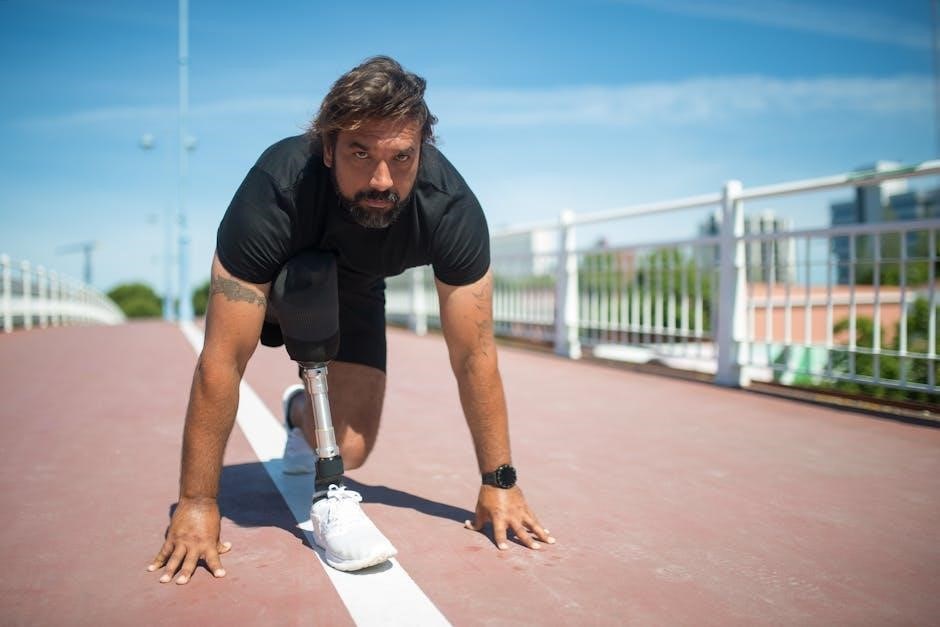
Why Mental Toughness Matters in Youth Sports
Youth sports present unique pressures, demanding not only physical skill but also significant emotional regulation. Given the rising awareness of mental health challenges – as emphasized by the WHO and UNGA declarations – fostering mental toughness is paramount; Anxiety disorders are prevalent, impacting performance and well-being, necessitating proactive support within sports settings.
Developing these skills equips young athletes to navigate competition, cope with setbacks, and maintain a positive mindset. It’s about more than winning; it’s about building life skills like resilience and self-confidence. Addressing the “care gap” in mental health requires innovative approaches, including integrating mental skills training into youth sports programs, promoting a holistic approach to athlete development.
Core Components of Mental Toughness
Key elements include goal setting, self-talk, emotional regulation, and resilience—skills vital for navigating the complex interplay of psychological factors in sports.
Goal Setting and Visualization

Establishing clear, achievable goals is foundational to mental toughness. These goals should be specific, measurable, attainable, relevant, and time-bound (SMART), providing young athletes with direction and motivation. Equally important is the practice of visualization, where athletes mentally rehearse successful performance.
This technique leverages the mind-body connection, enhancing confidence and reducing anxiety. By vividly imagining positive outcomes – a perfect shot, a strong finish – athletes prepare themselves psychologically for competition. Visualization isn’t simply wishful thinking; it’s a powerful tool for skill refinement and building mental resilience.
Furthermore, breaking down larger goals into smaller, manageable steps fosters a sense of progress and accomplishment, reinforcing positive self-belief. Consistent practice of both goal setting and visualization cultivates a proactive mindset, empowering young athletes to take control of their performance and overcome challenges.
Self-Talk and Positive Affirmations
The internal dialogue athletes engage in – their self-talk – profoundly impacts their performance and emotional state. Negative self-talk breeds doubt and anxiety, hindering potential, while positive self-talk fosters confidence and resilience. Encouraging young athletes to identify and challenge negative thoughts is crucial.
Replacing self-criticism with constructive feedback and positive affirmations builds a stronger mental framework. Affirmations are positive statements that reinforce desired beliefs and capabilities (“I am strong,” “I am capable,” “I can handle pressure”).
Regularly repeating these affirmations helps reprogram the subconscious mind, cultivating a growth mindset and enhancing self-belief. Recognizing the link between mental health and performance, promoting positive self-talk is a vital component of a holistic approach to athlete development, supporting overall well-being.
Emotional Regulation
Emotional regulation is the ability to manage and respond to emotional experiences in a healthy and adaptive manner. For young athletes, this means learning to navigate the intense pressures and fluctuating emotions inherent in competition. Anxiety disorders, like other mental health conditions, stem from complex interactions.
Developing strategies to recognize and understand emotional triggers is the first step. Techniques like deep breathing exercises, mindfulness, and progressive muscle relaxation can help athletes calm themselves during moments of stress.
Acknowledging emotions without judgment, rather than suppressing them, is also key. Supporting mental health in non-health settings, such as school programs, is vital. Effective emotional regulation builds resilience and allows athletes to perform optimally even under pressure, contributing to overall well-being.
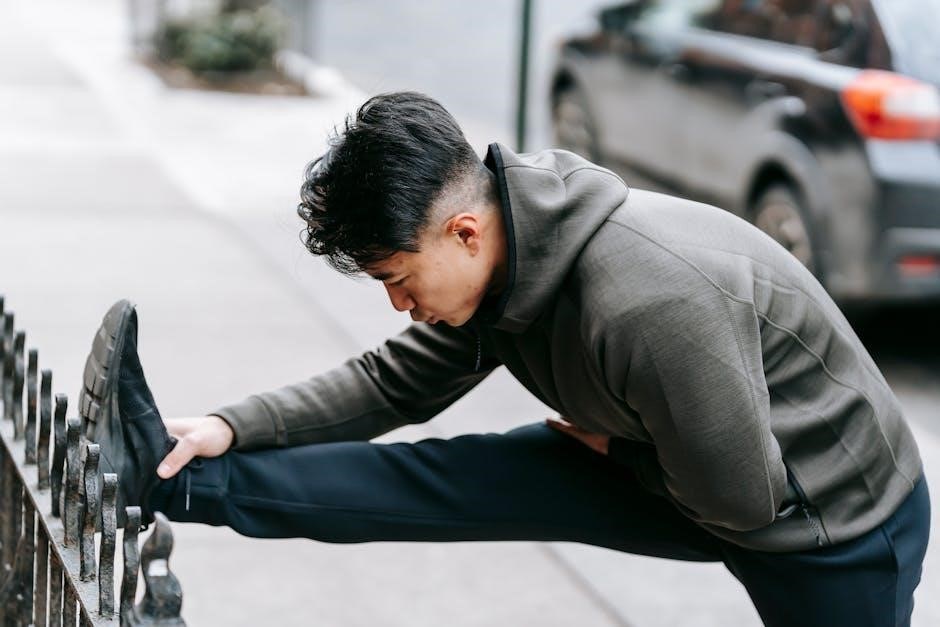
Building Mental Toughness: Practical Strategies
Innovative approaches are needed to expand mental healthcare, diversifying support systems for common conditions like anxiety and depression in young athletes.
Developing a Pre-Performance Routine
Establishing a consistent pre-performance routine is paramount for young athletes seeking to bolster mental fortitude. This routine, tailored to the individual, serves as a predictable anchor amidst the pressures of competition. It’s about creating a sense of control and familiarity, reducing anxiety and fostering a focused mindset.
The routine can encompass a series of physical and mental exercises – specific stretches, mindful breathing techniques, positive self-talk, or visualization of successful outcomes. Crucially, it should be practiced consistently during training, becoming second nature. This consistency builds confidence and allows the athlete to seamlessly transition into performance mode, minimizing distractions and maximizing focus.
Furthermore, recognizing the interplay between mental and physical states is vital; a well-structured routine acknowledges this connection, preparing both body and mind for optimal performance. It’s a proactive strategy, empowering young athletes to take charge of their mental state and approach competition with resilience.
Coping with Pressure and Anxiety
Pressure and anxiety are inevitable companions in competitive youth sports, yet learning to manage them is a cornerstone of mental toughness. Recognizing that these feelings are normal physiological responses – not signs of weakness – is the first step. Techniques like deep, controlled breathing can immediately calm the nervous system, reducing physical symptoms of anxiety.
Reframing negative thoughts is also crucial. Instead of viewing pressure as a threat, athletes can learn to perceive it as a challenge, an opportunity to demonstrate their skills. Positive self-talk and visualization of successful outcomes further reinforce a confident mindset.
Importantly, understanding the broader context of mental health – acknowledging potential anxiety disorders – is vital. Seeking support from coaches, parents, or mental health professionals can provide young athletes with the tools and strategies needed to navigate these challenges effectively.
Bouncing Back from Setbacks (Resilience)
Resilience, the ability to recover quickly from difficulties, is paramount for young athletes. Setbacks – losses, mistakes, injuries – are unavoidable parts of any sporting journey. A crucial element is accepting these experiences as learning opportunities, rather than dwelling on failures. Analyzing what went wrong, objectively and without self-blame, fosters growth.
Maintaining a growth mindset – believing abilities can be developed through dedication and hard work – is key. This contrasts with a fixed mindset, where challenges are seen as evidence of limitations. Surrounding oneself with a supportive network of coaches, parents, and teammates provides emotional reinforcement during tough times.
Recognizing the connection between mental health and resilience is also vital; addressing underlying anxiety or stress can significantly improve an athlete’s ability to cope with adversity.
The Role of Coaches and Parents
Supportive environments are essential, alongside diversified care in settings like schools and child protection services, to address the vast mental health care gap.
Creating a Supportive Environment
Fostering a positive atmosphere is paramount for young athletes. This involves recognizing that mental health is integral to overall well-being, enabling them to cope with pressures and realize their potential. Coaches and parents should prioritize open communication, actively listening to concerns without judgment, and validating their feelings.
A supportive environment acknowledges the complex interplay of social, psychological, and biological factors contributing to mental health challenges, like anxiety. It’s crucial to move beyond simply addressing performance and focus on the athlete’s holistic development. This includes promoting a sense of belonging, encouraging healthy coping mechanisms, and normalizing seeking help when needed. Remember, expanding access to mental health support, even in non-health settings, is vital for their success.
Promoting a Growth Mindset
Cultivating a growth mindset is essential for building mental toughness in young athletes. This means emphasizing that abilities and intelligence aren’t fixed, but can be developed through dedication and hard work. Encourage athletes to view challenges as opportunities for learning and growth, rather than as threats to their self-worth.
Highlight effort, strategy, and progress over solely focusing on outcomes. Acknowledge setbacks as inevitable parts of the learning process, and help athletes reframe them as valuable experiences. Supporting their mental well-being, as recognized by global health initiatives, allows them to navigate difficulties with resilience. This approach fosters a positive environment where they feel safe to take risks and embrace challenges, ultimately strengthening their mental fortitude.
Avoiding Negative Reinforcement
Negative reinforcement can severely hinder a young athlete’s mental toughness and overall well-being. Criticism, punishment, and excessive pressure can create anxiety and undermine confidence, impacting their ability to cope with challenges. Instead, focus on positive encouragement and constructive feedback, emphasizing effort and improvement.
Recognize that mental health is integral to performance, as highlighted by the WHO and UNGA declarations. Creating a supportive environment, free from fear of failure, allows athletes to take risks and learn from mistakes. Prioritize their emotional safety and foster a sense of belonging. Remember, addressing mental health concerns, like anxiety, is crucial for optimal development and resilience.

Mental Health and Mental Toughness: The Connection
Mental health profoundly impacts an athlete’s capacity for toughness; anxiety and disorders require attention, with WHO resources aiding understanding and support systems.
Understanding Anxiety Disorders in Young Athletes
Anxiety disorders are prevalent among young athletes, stemming from a complex interplay of social, psychological, and biological factors. These conditions manifest differently, ranging from generalized anxiety to specific phobias and social anxiety, significantly impacting performance and well-being. Recognizing the signs is paramount; these can include excessive worry, difficulty concentrating, sleep disturbances, irritability, and physical symptoms like headaches or stomachaches.
It’s crucial to differentiate typical pre-competition jitters from a clinical anxiety disorder. While some pressure is normal, persistent and debilitating anxiety requires professional attention. The WHO fact sheet highlights anxiety as a key mental health concern, emphasizing the need for early intervention and comprehensive support. Ignoring these issues can lead to more severe consequences, hindering both athletic development and overall mental health.
Recognizing Signs of Mental Health Struggles
Identifying mental health challenges in young athletes requires vigilance. Beyond performance declines, observe changes in behavior – increased isolation, loss of interest in previously enjoyed activities, or significant mood swings. Noticeable shifts in sleep or appetite, frequent complaints of physical ailments without medical explanation, and expressions of hopelessness or worthlessness are red flags.
Increased irritability, difficulty concentrating, and heightened emotional reactivity can also signal underlying struggles. Remember, these signs aren’t always obvious and may present differently in each athlete. The WHO emphasizes the importance of recognizing these indicators, particularly given the care gap for conditions like depression and anxiety. Early detection allows for timely intervention and support, preventing escalation and promoting well-being.
Accessing Mental Health Support Resources
Connecting young athletes with appropriate mental health support is vital. Schools often have counselors or psychologists available, providing a confidential space for discussion. Community mental health centers offer affordable services, and pediatricians can provide referrals to specialists. The WHO highlights the need to expand care beyond traditional healthcare settings, including school health programs.
National organizations dedicated to mental health, like those focused on anxiety and depression, offer online resources and support groups. Crisis hotlines and text lines provide immediate assistance during challenging moments. Remember, seeking help is a sign of strength, not weakness. Prioritizing mental well-being alongside physical training is crucial for holistic athlete development.

Resources for Further Learning (PDF Focus)
WHO fact sheets on mental disorders and the UNGA declaration on NCDs and mental health offer valuable insights via downloadable PDF documents.
Recommended PDF Guides on Mental Toughness
Exploring readily available PDF resources is a fantastic starting point for coaches, parents, and young athletes seeking to bolster mental fortitude. While specific guides tailored solely to “mental toughness for young athletes pdf” aren’t directly cited in the provided snippets, the broader context of mental health documentation from organizations like the World Health Organization (WHO) offers foundational understanding.
Consider searching for WHO publications detailing anxiety disorders, depression, and other relevant mental health conditions – these often contain principles applicable to building resilience. The UNGA declarations on NCDs and mental health, available as documents, highlight the importance of integrated care and support systems, indirectly informing mental toughness strategies. Look for resources focusing on psychological well-being, coping mechanisms, and stress management, adapting the principles to a youth sports context.
Online Platforms Offering Mental Toughness Training (PDF Downloads)
Identifying platforms with downloadable PDF resources directly focused on “mental toughness for young athletes” requires further investigation beyond the provided text snippets. However, the emphasis on expanding mental health care – particularly in settings like schools – suggests potential avenues.
Explore websites of organizations like the WHO and those involved in the UNGA declarations; they may link to partner platforms offering downloadable training materials. Search for sports psychology organizations that provide resources for youth athletes, often including downloadable worksheets or guides. Look for platforms offering mental health support in non-health settings, potentially providing PDF-based programs. Remember to prioritize resources from reputable sources, ensuring they align with evidence-based practices and promote overall well-being.
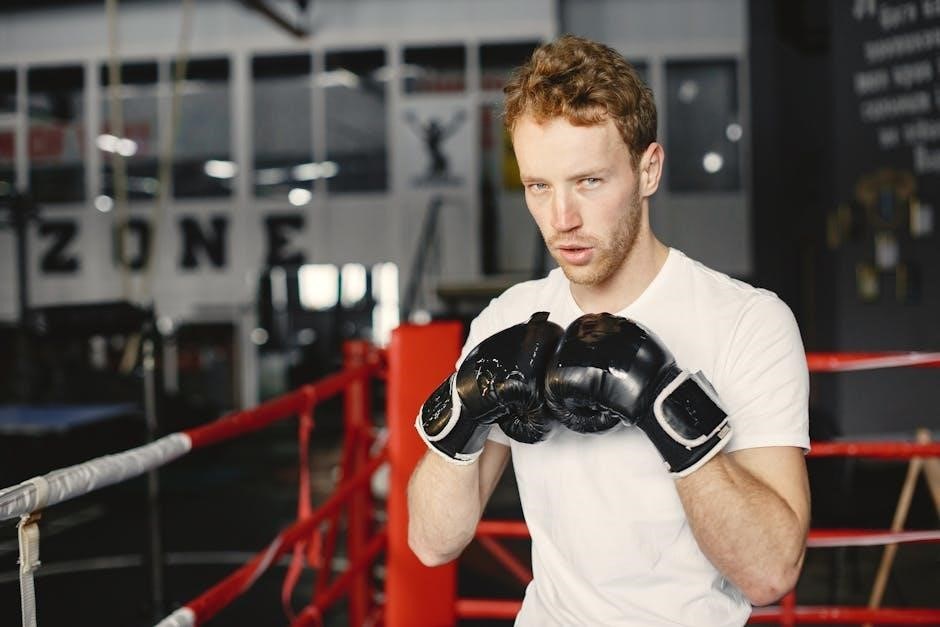
Long-Term Development of Mental Toughness
Consistent integration of mental skills into training, alongside diversified care approaches, is vital for sustained growth and resilience in young athletes’ well-being.
Integrating Mental Skills Training into Practice
Successfully embedding mental toughness techniques requires a deliberate and consistent approach within the existing training framework. It’s not a standalone activity, but rather interwoven into drills and practice sessions. Consider incorporating brief mindfulness exercises before skill work, focusing on present moment awareness to reduce anxiety.
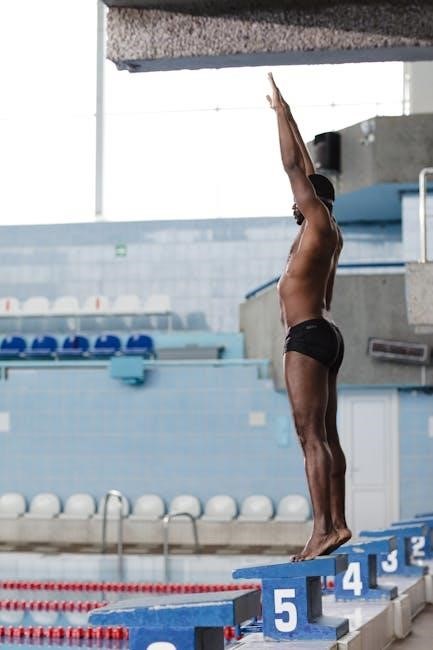
Regularly schedule dedicated time – even 10-15 minutes – for visualization exercises, guiding athletes to mentally rehearse successful performances. Encourage self-talk protocols, prompting positive affirmations during challenging moments. Crucially, coaches should model these behaviors, demonstrating their own commitment to mental well-being.
Expanding care beyond traditional settings, like schools and child protection services, is also key. Remember, a holistic approach, acknowledging the interplay of social, psychological, and biological factors, yields the most robust and lasting results in developing mental fortitude.
The Importance of Consistency and Patience
Developing mental toughness isn’t a quick fix; it’s a gradual process demanding consistent effort and unwavering patience from both athletes and coaches. Expecting immediate results can be detrimental, fostering frustration and discouragement. Regular, even brief, mental skills practice is far more effective than sporadic, lengthy sessions.
Recognize that setbacks are inevitable. A resilient mindset isn’t about avoiding challenges, but about learning from them. Encourage athletes to view mistakes as opportunities for growth, reinforcing a growth mindset. Addressing the care gap for conditions like anxiety and depression requires innovative, diversified approaches.
Remember, the complex interaction of social, psychological, and biological factors influences mental health. Consistent support and understanding are paramount to fostering lasting mental fortitude.