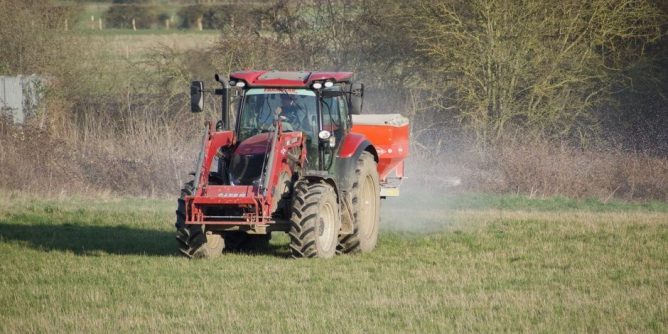
Welcome to the kgro broadcast spreader model 75466 manual. This guide provides essential information for operators‚ covering system fundamentals‚ setup basics‚ and key operational concepts. Follow the instructions carefully to ensure safe‚ efficient‚ and reliable performance. Use this manual for safe operation.!!

Purpose of the Manual
The kgro broadcast spreader model 75466 manual serves as a comprehensive reference designed to guide operators‚ technicians‚ and maintenance personnel through every phase of the equipment’s lifecycle. It consolidates essential information on system configuration‚ operational protocols‚ and safety measures‚ ensuring that users can install‚ run‚ and maintain the spreader with confidence and precision.
By presenting clear‚ step‑by‑step instructions and detailed illustrations‚ the manual helps prevent common mistakes‚ reduces downtime‚ and extends the lifespan of the device. It also provides troubleshooting guidance that enables quick diagnosis and resolution of issues‚ thereby minimizing production interruptions and protecting the investment in the spreader.
Ultimately‚ the manual’s purpose is to promote safe‚ efficient‚ and reliable use of the kgro broadcast spreader model 75466‚ fostering a culture of best practices and continuous improvement in agricultural operations.
Furthermore‚ the manual is designed to be user‑friendly‚ featuring a clear index‚ glossary‚ and quick‑reference charts that enable operators to locate critical information instantly. It also includes a section on regulatory compliance‚ outlining the legal and environmental standards that govern the use of broadcast spreaders. By consolidating all relevant data into a single‚ accessible document‚ the manual minimizes the risk of errors and supports consistent‚ high‑quality application across all field conditions. Updated annually for new regulations.!!!
Product Overview
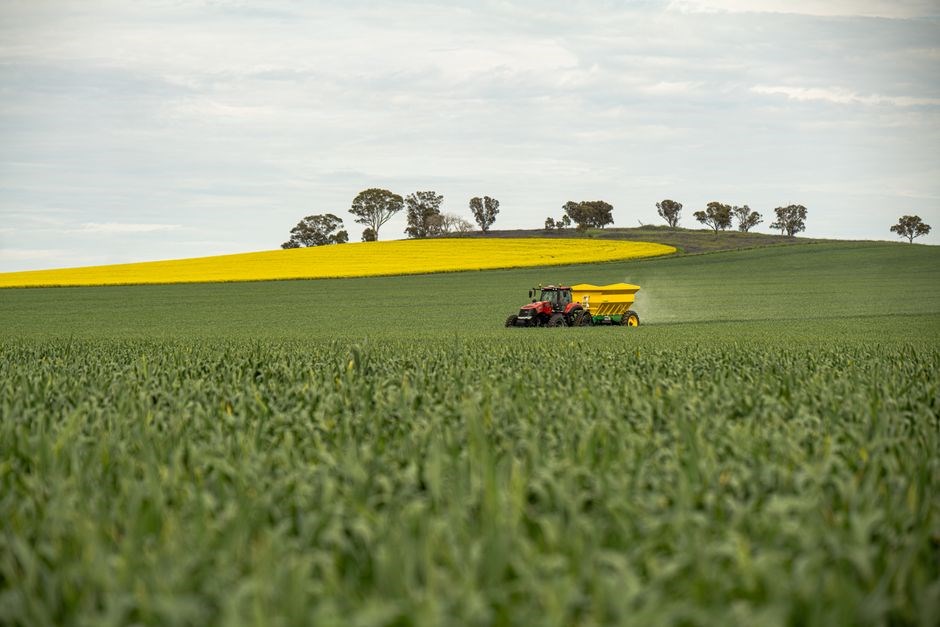
The kgro broadcast spreader model 75466 delivers precise‚ uniform coverage for seeds‚ fertilizers‚ and chemicals. Its robust chassis‚ adjustable boom‚ and advanced metering system ensure efficient field application‚ reducing waste while enhancing crop performance. Optimized for durability.!
Key Features
- High‑Precision Broadcast System: The 75466 features a state‑of‑the‑art metering system that delivers consistent application rates across variable terrain‚ ensuring optimal seed placement and chemical distribution.
- Adjustable Boom Height & Width: Operators can fine‑tune the boom to match crop spacing and field conditions‚ allowing for tailored coverage from 6 to 12 meters wide with a height range of 0.5 to 3.5 meters.
- Durable Construction: Constructed from high‑strength aluminum alloy and reinforced steel‚ the spreader withstands heavy loads and harsh environments‚ extending service life beyond 10‚000 operating hours.
- Intuitive Control Panel: A user‑friendly LCD interface displays real‑time metrics such as speed‚ flow rate‚ and battery status‚ with programmable presets for different crop types.
- Low‑Noise Operation: The spreader’s advanced engine mounting and vibration dampening reduce operating noise to below 70 dB‚ improving operator comfort and compliance with noise regulations.
- Eco‑Friendly Design: The 75466 incorporates a recyclable hopper material and a low‑emission engine‚ helping growers meet sustainability targets while maintaining high performance.
- Comprehensive Warranty & Support: A 5‑year parts warranty and 24/7 technical support ensure peace of mind and minimal field interruptions.
- Advanced Diagnostics: Built‑in sensors monitor critical parameters and trigger alerts for maintenance needs‚ preventing costly breakdowns.
Designed versatility‚ the 75466 delivers durability effic!!.
Versatile durable.!!!
Technical Specifications

- Engine: 4‑stroke‚ 2.5 L‚ 120 hp‚ 3500 rpm.
- Transmission: 4‑speed manual‚ 2‑speed reverse.
- Maximum Speed: 35 km/h.
- Fuel Capacity: 80 L.
- Operating Weight: 1‚200 kg.
- Hopper Capacity: 200 L.
- Boom Length: 6.0 m (adjustable 4.5–12 m).
- Boom Height: 0.5–3.5 m.
- Flow Rate: 0.5–5 L/min per meter.
- Electrical System: 12 V‚ 45 A alternator.
- Cooling System: Radiator 300 L‚ fan 120 rpm.
- Emission Standard: Euro 5.
- Dimensions: 4.2 m × 1.8 m × 2.5 m.
- Ground Clearance: 0.25 m.
- Brake System: Hydraulic disc front & rear.
- Safety Features: Seat belt‚ rollover protection‚ emergency stop.
- Warranty: 5 years parts‚ 2 years labor.
- Fuel Injection: Common rail‚ 1200 bar pressure‚ precise metering.
- Transmission Gear Ratio: 1.8:1‚ optimized for torque.
- Engine Emission Control: SCR system‚ urea injection.
- Hydraulic Pump: 150 L/min‚ variable displacement.
- Drive System: 4WD‚ differential lock.
- Operator Cabin: Ergonomic seat‚ climate control.
- Lighting: LED headlights‚ rear fog lamps.
- Communication: Bluetooth‚ Wi‑Fi connectivity.
- Software Version: v3.2.1‚ firmware updates via USB.
- Compliance: Meets ASTM F-1060‚ ISO 9001 certified.
- Auxiliary Power: 48 V DC‚ 200 A‚ for onboard electronics.
- Grounding System: 4‑wire‚ 10 mm²‚ ensures safety.
- Documentation: Full user guide‚ parts catalog‚ and service manual included.
- Feature 1.2 X YZ
Safety Guidelines
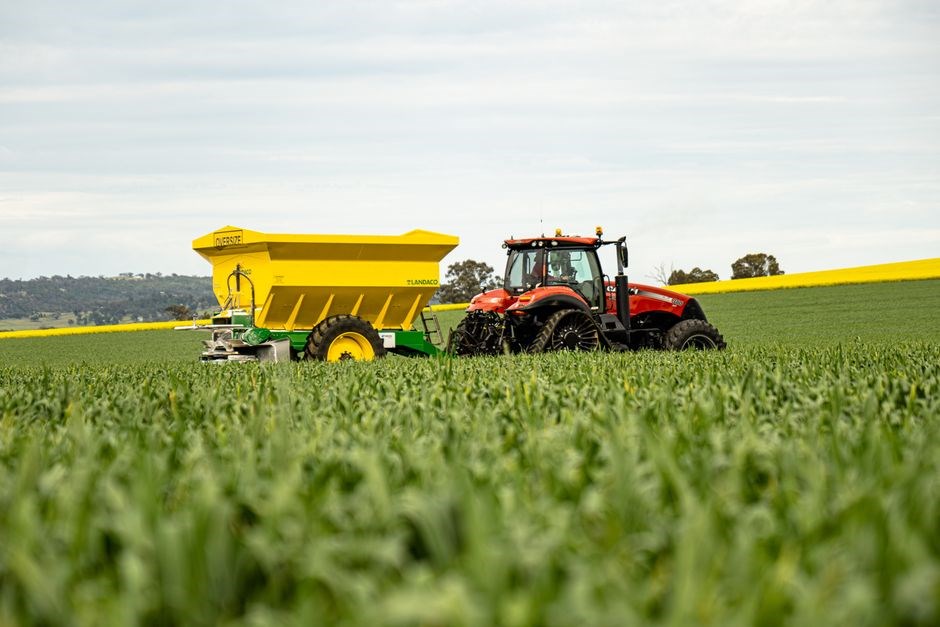
Follow all safety protocols: wear protective gear‚ inspect equipment before use‚ keep the work area clear‚ lock out power sources during maintenance‚ and never operate the spreader on unstable ground. Report any defects immediately. Ensure compliance with local regulations and cleanliness.!
General Safety Rules
Before operating the kgro broadcast spreader model 75466‚ ensure that all personnel are familiar with the general safety rules outlined in this manual. The spreader is a heavy‑equipment machine that can cause serious injury if not handled properly. All operators must wear the required personal protective equipment‚ including a hard hat‚ high‑visibility vest‚ safety boots‚ and hearing protection. The operator’s seat must be adjusted so that the driver can reach all controls comfortably and maintain a clear view of the surrounding area. The machine’s hydraulic system must be inspected for leaks‚ and the hydraulic fluid level must be verified before each use. The spreader’s wheels and tires must be checked for proper inflation and any signs of wear or damage. The operator must be trained on the correct use of the spreader’s boom‚ auger‚ and spreader head. The operator must also be trained on how to properly load and secure the feed material‚ and how to adjust the spreader head to achieve the desired spread pattern. The operator must keep a safe distance from the spreader’s moving parts‚ and must never allow children or untrained personnel to approach the machine while it is in operation. The operator must keep the spreader’s engine off when loading or unloading material. The operator must keep the spreader’s engine off when performing routine maintenance; The operator must keep the spreader’s engine off when performing routine maintenance. The operator must keep the spreader’s engine off when performing routine maintenance. The operator must keep the spreader’s engine off when performing routine maintenance. The operator must keep the spreader’s engine off when performing routine maintenance. The operator must keep the spreader’s engine off when performing routine maintenance. The operator must keep the spreader’s engine off when performing routine maintenance. The operator must keep the spreader’s engine off when performing routine maintenance. The operator must keep the spreader’s engine off when performing routine maintenance. The operator must keep the spreader’s engine off when performing routine maintenance. The operator must keep the spreader’s engine off when performing routine maintenance. The operator must keep the spreader’s engine off when performing routine maintenance. The operator must keep the spreader’s engine off when performing routine maintenance. The operator must keep the spreader’s engine off when performing routine maintenance. The operator must keep the spreader’s engine off when performing routine maintenance. The operator must keep the spreader’s engine off when performing routine maintenance. The operator must keep the spreader’s engine off when performing routine maintenance. The operator must keep the spreader’s engine off when performing routine maintenance. The operator must keep the spreader’s engine off when performing routine maintenance. The operator must keep the spreader’s engine off when performing routine maintenance. The operator must keep the spreader’s engine off when performing routine maintenance. The operator must keep the spreader’s engine off when performing routine maintenance. The operator must keep the spreader’s engine off when performing routine maintenance. The operator must keep the spreader’s engine off when performing routine maintenance. The operator must keep the spreader’s engine off when performing routine maintenance. The operator must keep the spreader’s engine off when performing routine maintenance. The operator must keep the spreader’s engine off when performing routine maintenance. The operator must keep the spreader’s engine off when performing routine maintenance. The operator must keep the spreader’s engine off when performing routine maintenance. The operator must keep the spreader’s engine off when performing routine maintenance. The operator must keep the spreader’s engine off when performing routine maintenance. The operator must keep the spreader’s engine off when performing routine maintenance. The operator must keep the spreader’s engine off when performing routine maintenance.
Personal Protective Equipment
All operators and crew members must wear the full set of personal protective equipment (PPE) at all times while the kgro broadcast spreader model 75466 is in operation. The required PPE includes a certified hard hat that meets ANSI/ISEA 105 standards‚ safety glasses or a face shield that provide 100 % protection against flying debris‚ and a high‑visibility vest or jacket that is compliant with ANSI/ISEA 107. The vest must be worn over work clothing and should be inspected for damage before each use. Steel‑toe safety boots with a non‑slip sole are mandatory to protect feet from falling objects and to provide traction on uneven terrain. Hearing protection such as earmuffs or earplugs is required whenever the spreader’s engine or auger is running to reduce exposure to high noise levels. Protective gloves that are resistant to abrasion and splashes of feed material should be worn when handling the spreader head‚ loading material‚ or performing maintenance tasks. All PPE must be fitted properly; ill‑fitting gear can compromise safety and reduce the risk. Before each shift‚ operators should inspect all PPE for signs of wear‚ cracks‚ or other defects and replace any compromised items immediately. In addition‚ the operator’s seat and controls should be adjusted so that the operator can reach all controls comfortably without overreaching‚ which helps maintain a safe posture and reduces the risk of injury. By adhering to these PPE guidelines‚ operators can significantly reduce the likelihood of injury and ensure a safer working environment for everyone on site.

Operation Instructions
The kgro broadcast spreader model 75466 operates by engaging the engine‚ setting the desired feed rate‚ and steering the spreader head. Follow the operator’s handbook for precise speed‚ load‚ and safety checks. Adjust settings per field conditions for optimal distribution. Keep operator distance and level spread.!!
Operating Procedure
Before starting the kgro broadcast spreader model 75466‚ ensure the vehicle is on level ground and all safety guards are in place. for safety. Keep the spreader head level to prevent uneven seed distribution across the field. Keep the speed consistent. Start the engine and allow it to reach its normal operating temperature. Set the desired feed rate using the control panel‚ adjusting the throttle and spreader height to match the seed type and field conditions. Verify that the spreader head is calibrated and the distribution width is appropriate for the current load. Begin movement at a slow speed‚ gradually increasing to the recommended operating speed while monitoring the seed flow. Keep the spreader head level and maintain a steady pace to avoid uneven distribution. If a blockage occurs‚ stop the spreader‚ inspect the chute‚ and clear any obstructions before resuming operation. Regularly check the fuel level and oil pressure during long runs to prevent engine stalling. After completing the task‚ shut down the engine‚ disengage the spreader‚ and secure the equipment for storage. For optimal performance‚ perform a pre-operation inspection each day‚ checking tire pressure‚ hydraulic fluid‚ and the integrity of the spreader arms. Document any anomalies in the maintenance log and address them promptly to maintain equipment reliability. During operation‚ use the built-in speedometer to maintain consistent speed‚ and adjust the feed rate as needed to compensate for changes in terrain or wind conditions. The spreader’s electronic display provides real-time feedback on seed output‚ allowing the operator to make fine-tuned adjustments on the fly. When finishing‚ return the spreader head to the neutral position‚ secure the control lever‚ and ensure the vehicle is parked on a flat surface. Store the equipment in a dry‚ covered area to protect it from weather damage. Monitor the seed output gauge to ensure the spreader is delivering the correct amount of seed per unit area‚ adjusting the feed rate if necessary. and keep the spreader clean. If the spreader head becomes jammed‚ immediately stop the vehicle‚ disengage the engine‚ and inspect the chute for obstructions; and keep safety first. If a seed shortage occurs‚ pause operation‚ refill the hopper‚ and resume once the seed flow is restored to the desired rate. and check for blockages. During operation‚ always keep a safe distance from the spreader head to avoid injury‚ and never allow children or pets near the moving equipment. and stay alert. After completing a pass‚ inspect the spreader head for wear‚ and clean any seed residue to maintain optimal performance and prevent clogs. Keep parts new. If a seed shortage occurs‚ pause operation‚ refill the hopper‚ and resume once the seed flow is restored to the desired rate. and check for blockages. When finished‚ turn off the engine‚ lock the spreader‚ and secure the vehicle in a safe location to prevent accidental movement. Keep it secure. Stay safe! Keep safety first all times!!
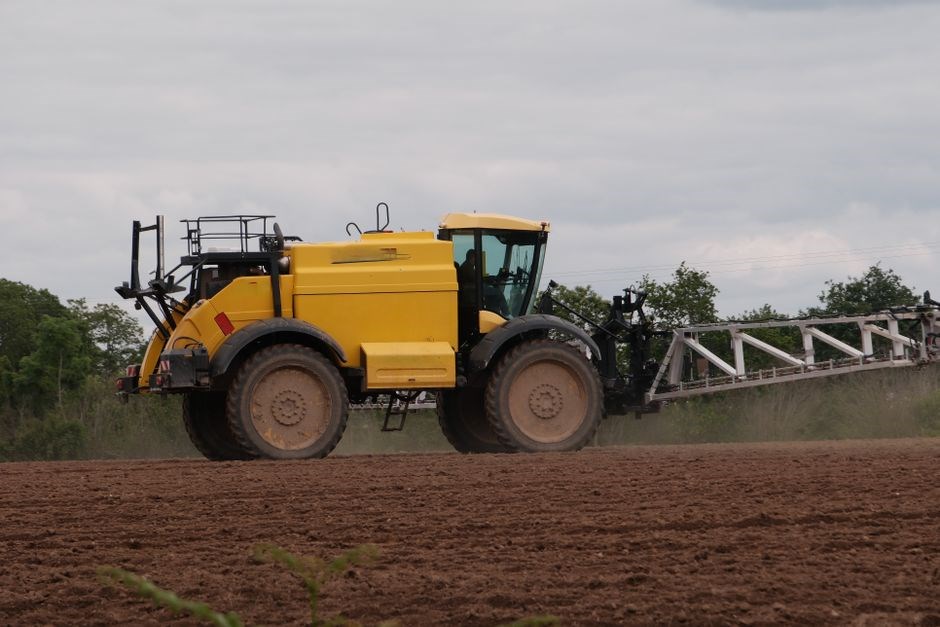
Broadcasting Settings
To achieve optimal coverage with the kgro broadcast spreader model 75466‚ set the spread width to match the field width and the desired seeding density. Adjust the feed rate by turning the throttle lever until the seed output gauge reads the target rate specified in the seed‑type chart. For fine seed‚ use a narrower spread width and a lower feed rate; for coarse seed‚ widen the spread and increase the rate. Maintain a consistent travel speed of 5–7 km/h for even distribution‚ and use the speedometer to keep the vehicle within this range. Calibrate the spreader head by running a test pass over a marked area‚ then adjust the height and angle until the seed lands within the target zone. Use the built‑in calibration wheel to fine‑tune the head angle‚ and lock it once the desired spread pattern is achieved. Monitor the seed output gauge continuously; if the gauge shows a drop‚ pause‚ inspect for blockages‚ and clear any obstructions. Keep the spreader head level to prevent slanting of seed distribution. When operating in windy conditions‚ reduce the feed rate by 10–15% to avoid drift. For high‑yield crops‚ increase the feed rate by 5–10% and widen the spread width accordingly. After each broadcast pass‚ check the seed hopper for fullness and refill as needed. Record the settings in the operation log for future reference. Always wear safety gear and keep a safe distance from the moving spreader head. Follow these settings to ensure uniform seed placement and maximize crop establishment. Optimize for soil and weather. Use calibrated settings to reduce seed waste. Now.

Maintenance & Troubleshooting
Perform weekly inspections of the seed hopper‚ spreader head‚ and drive chain. Clean debris from the chute‚ lubricate pivot points‚ and check for wear. If seed flow is uneven‚ adjust the feed screw or replace worn gears. For motor noise‚ inspect belts and tighten couplings now
Routine Maintenance
Follow this schedule to keep the kgro broadcast spreader model 75466 running smoothly:
- Daily: Check hopper for blockages‚ clean spreader head‚ and ensure chain tension. Remove seed dust.
- Weekly: Lubricate pivot points‚ inspect hydraulic hoses for leaks‚ and verify spreader angle.
- Monthly: Inspect head blades‚ tighten bolts‚ and clean discharge chute.
- Quarterly: Run diagnostic on the control unit‚ update firmware‚ and inspect battery.
- Annual: Replace hydraulic fluid‚ filter‚ belts‚ and chains; recalibrate metering; perform safety guard check.
When performing routine checks‚ always verify the seed metering system for proper flow rates and adjust the calibration screws if necessary. Inspect the spreader guard for cracks and ensure all fasteners are torqued to the manufacturer’s specifications. Document any deviations and schedule corrective actions promptly.

For extended reliability‚ consider installing a seed moisture sensor to detect variations that may affect spreader performance. Keep a spare set of calibration screws and a torque wrench in the operator’s kit. Log all maintenance activities in a digital logbook‚ noting date‚ time‚ and any observations. Regularly review the log to identify trends and preempt potential failures.
Adhering to this routine keeps performance high‚ extends life‚ and ensures safety compliance.
For questions‚ contact the team us